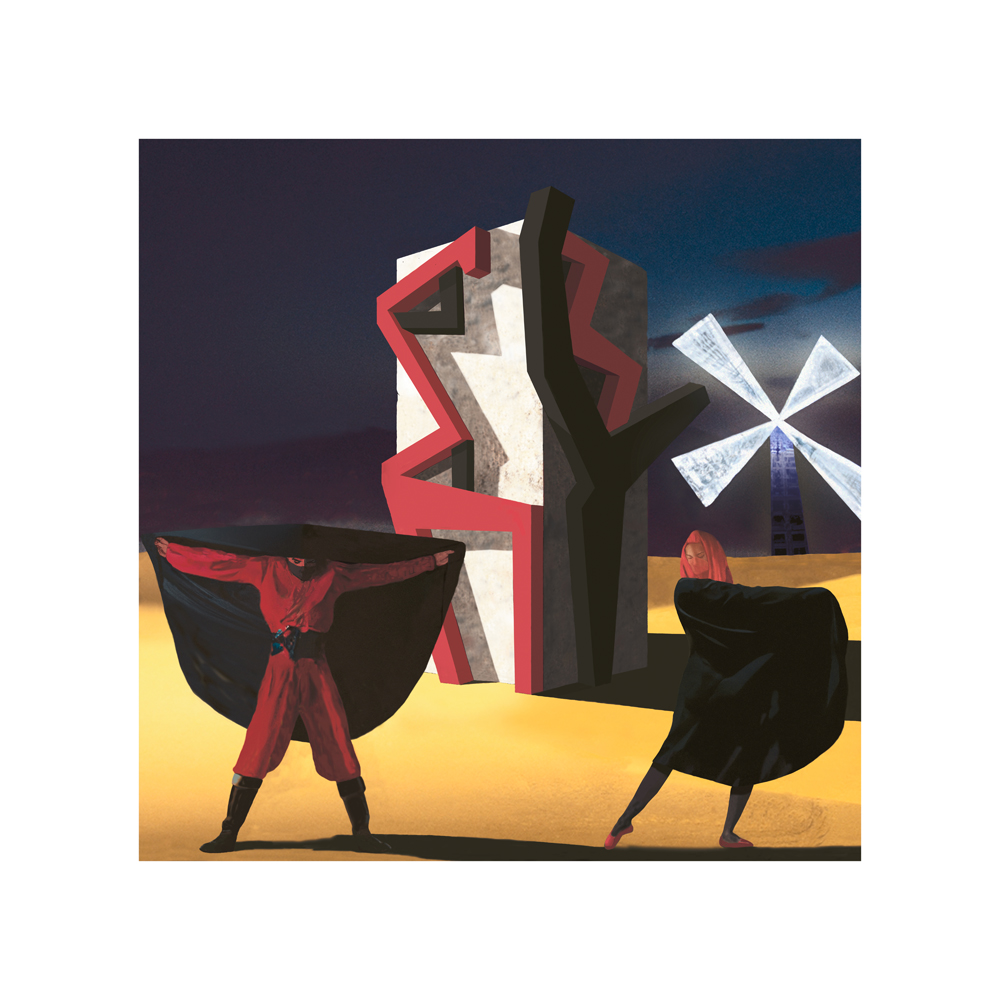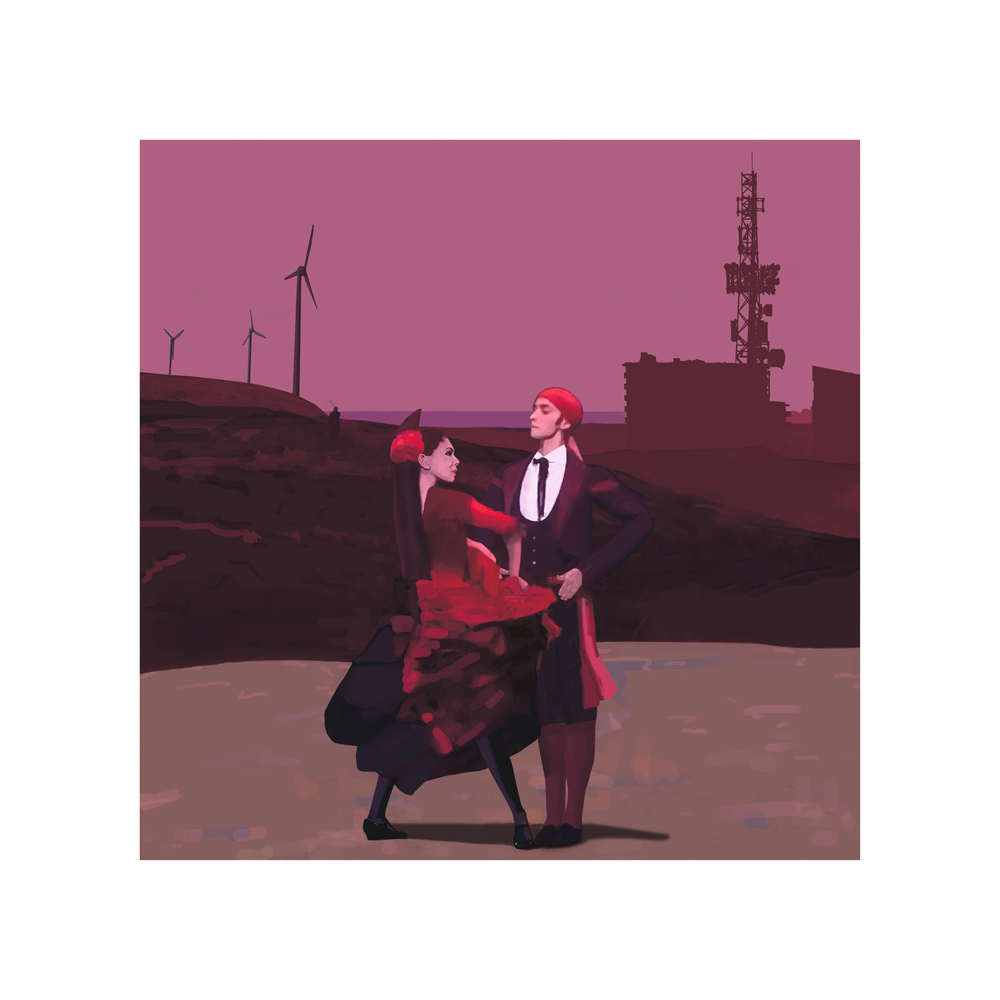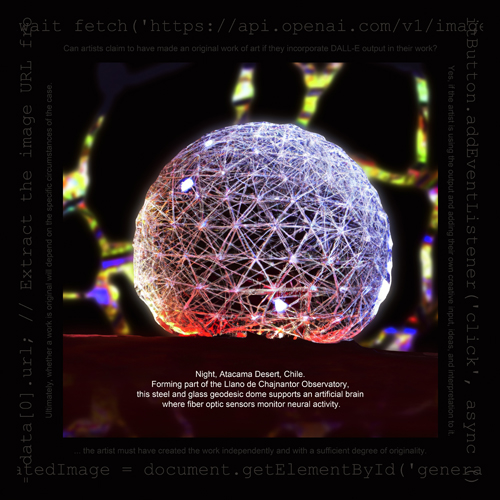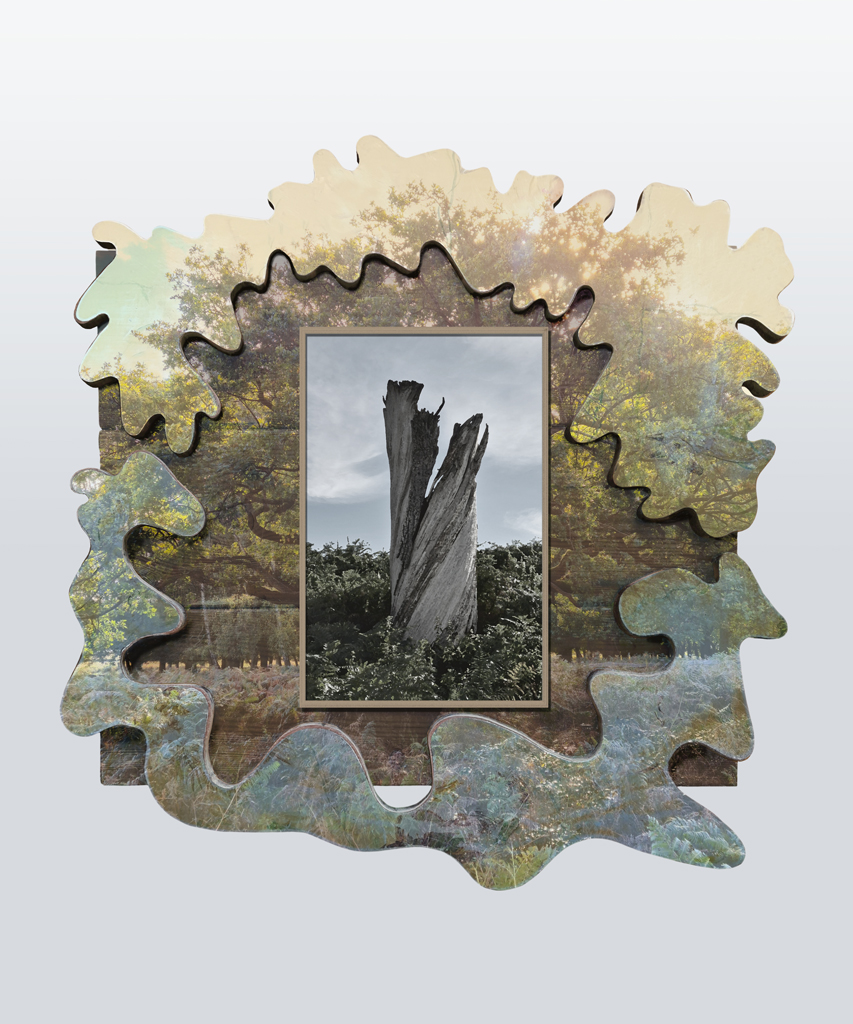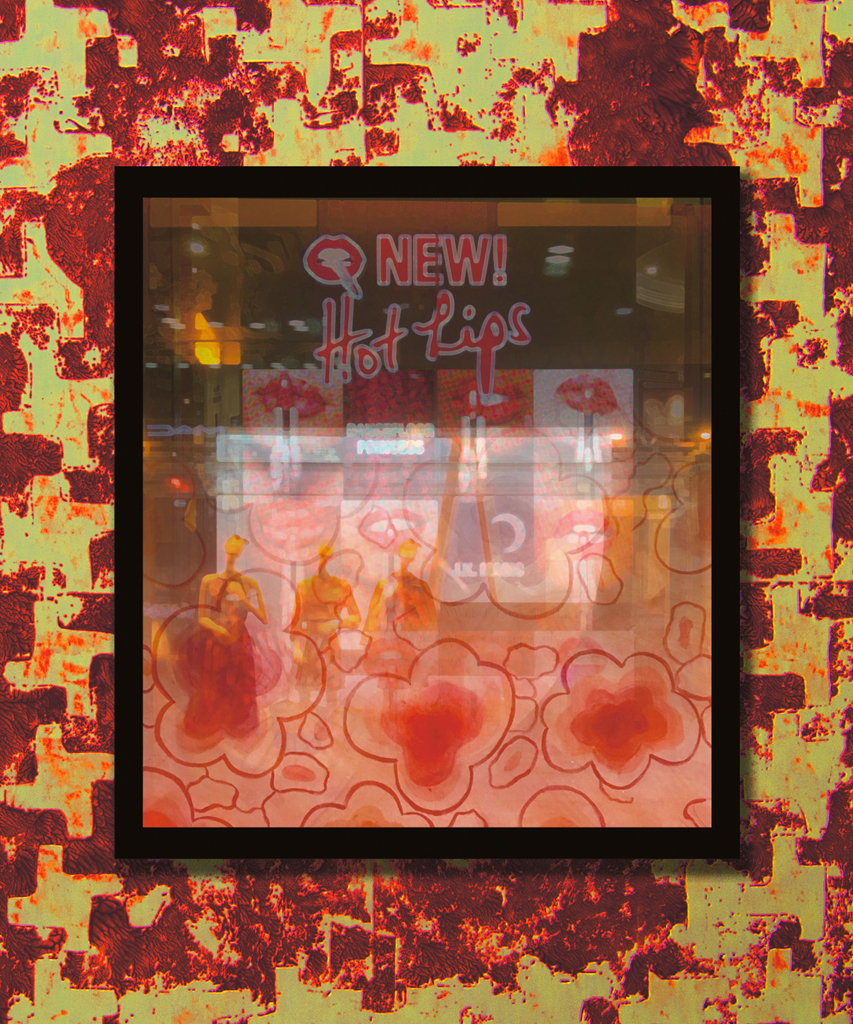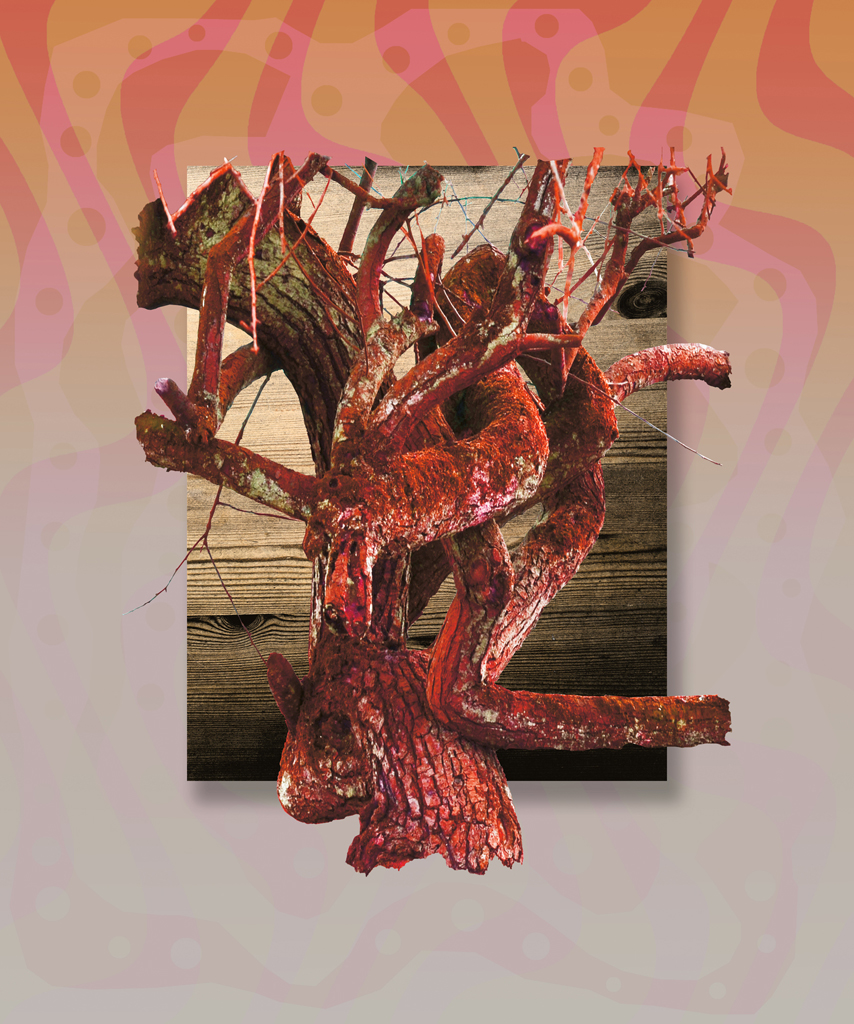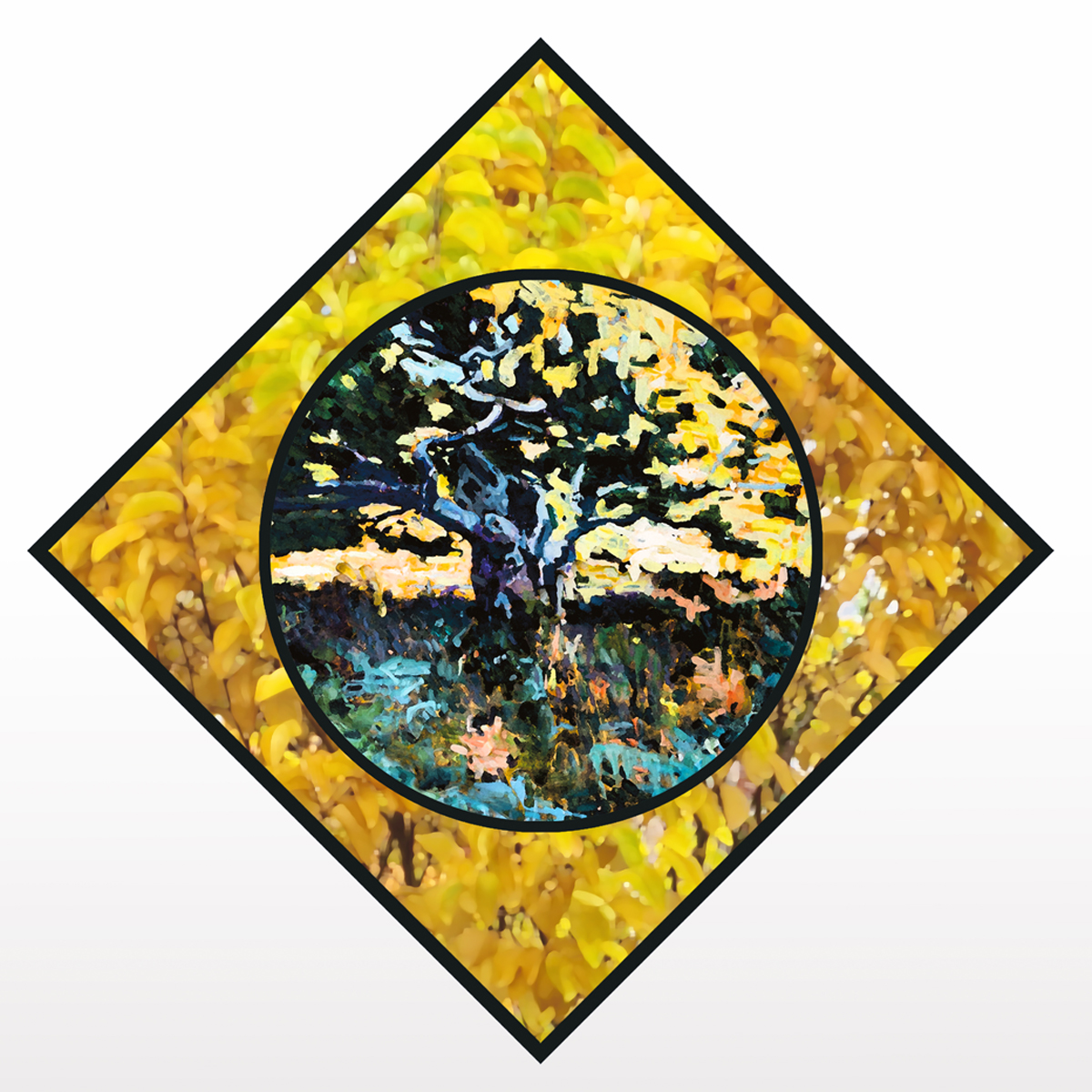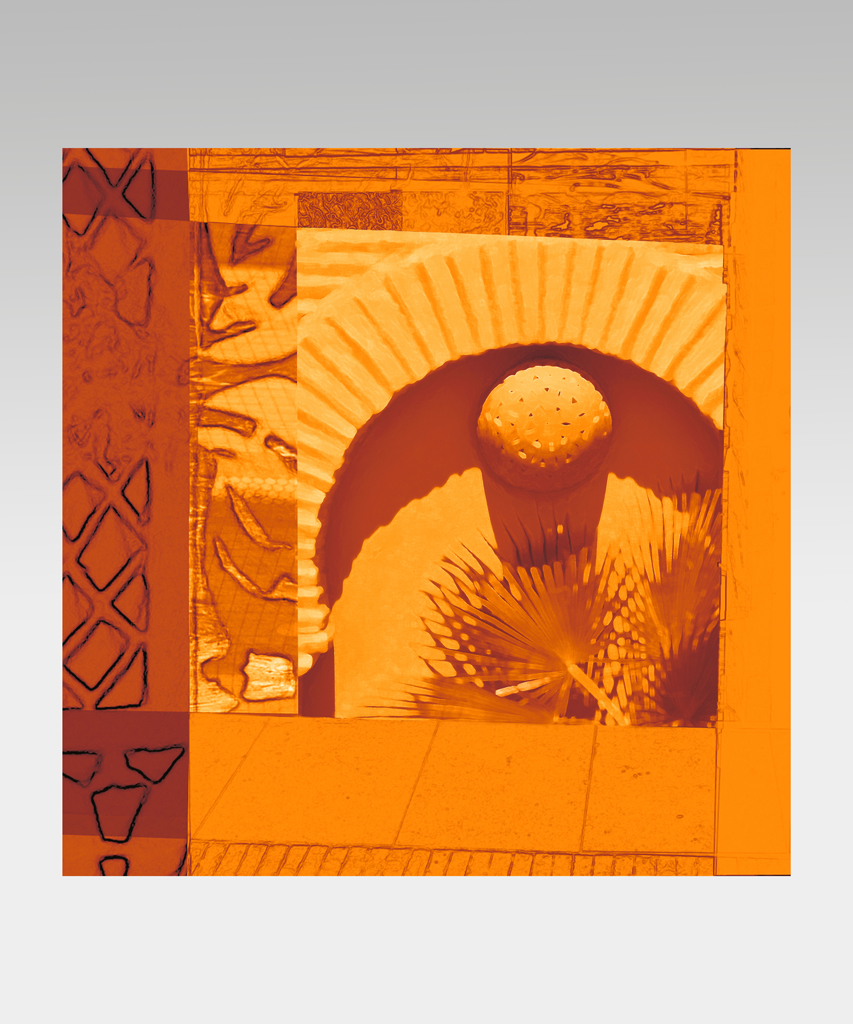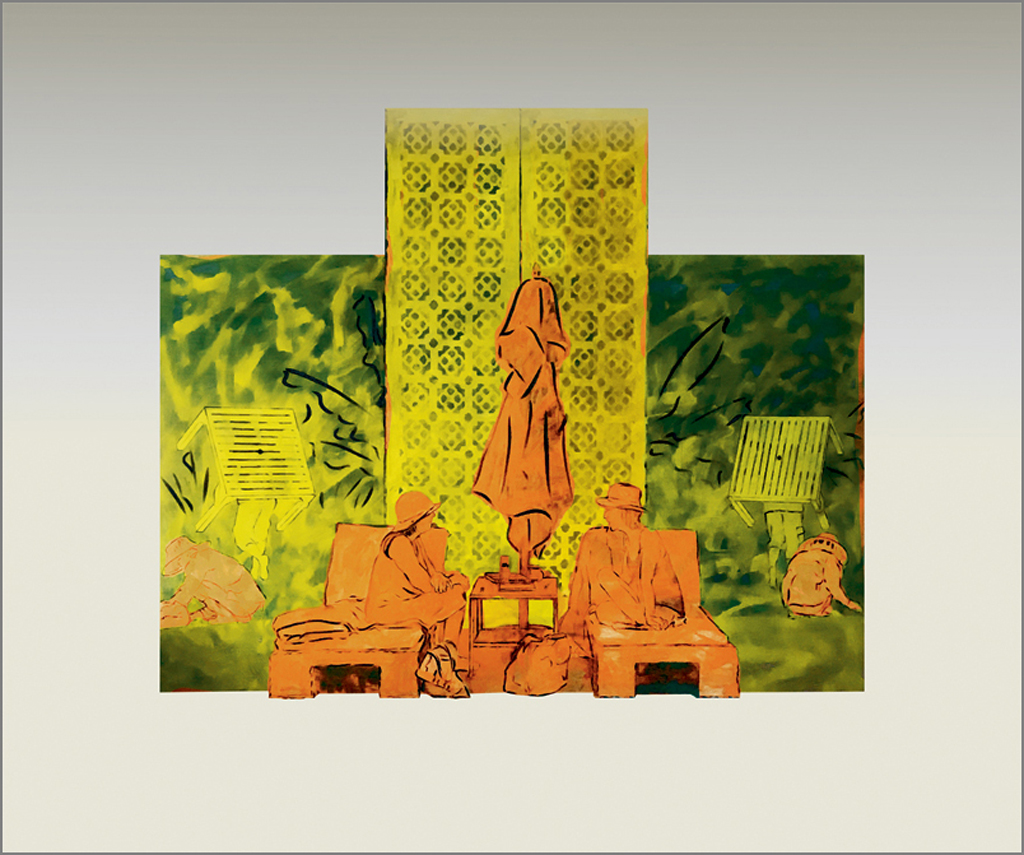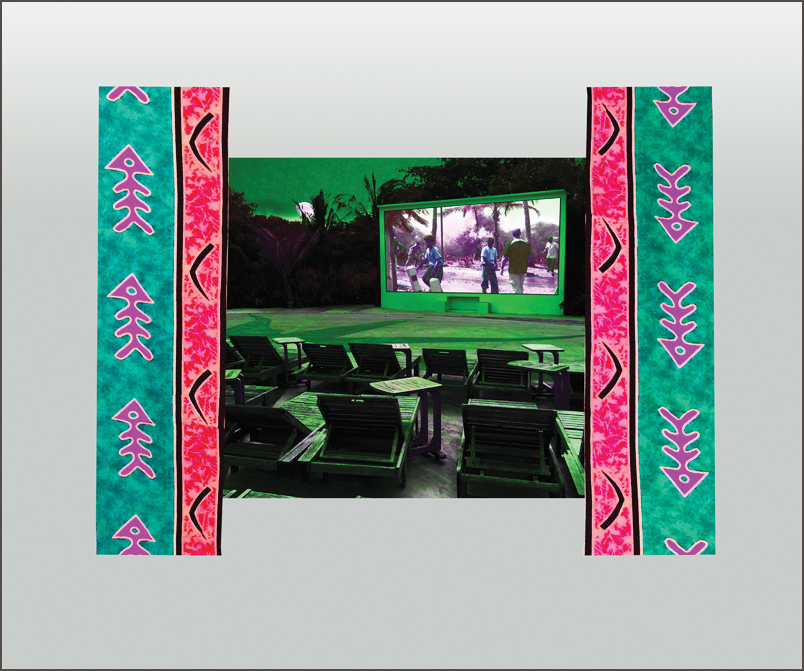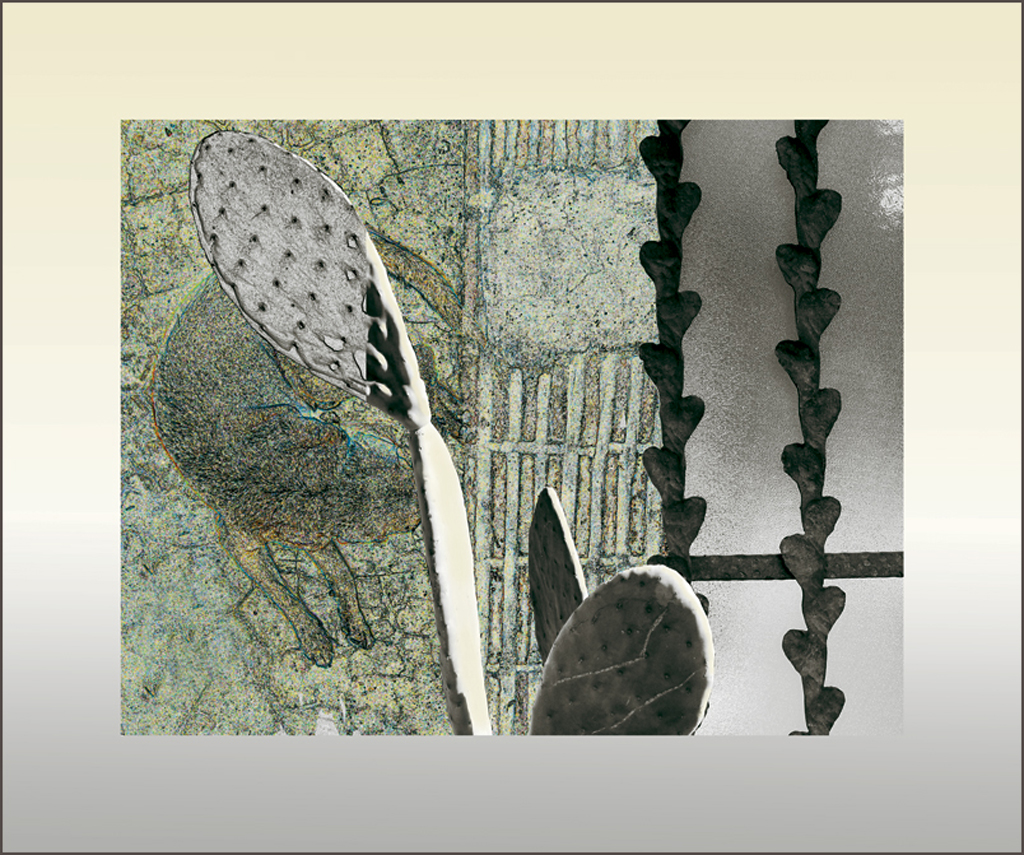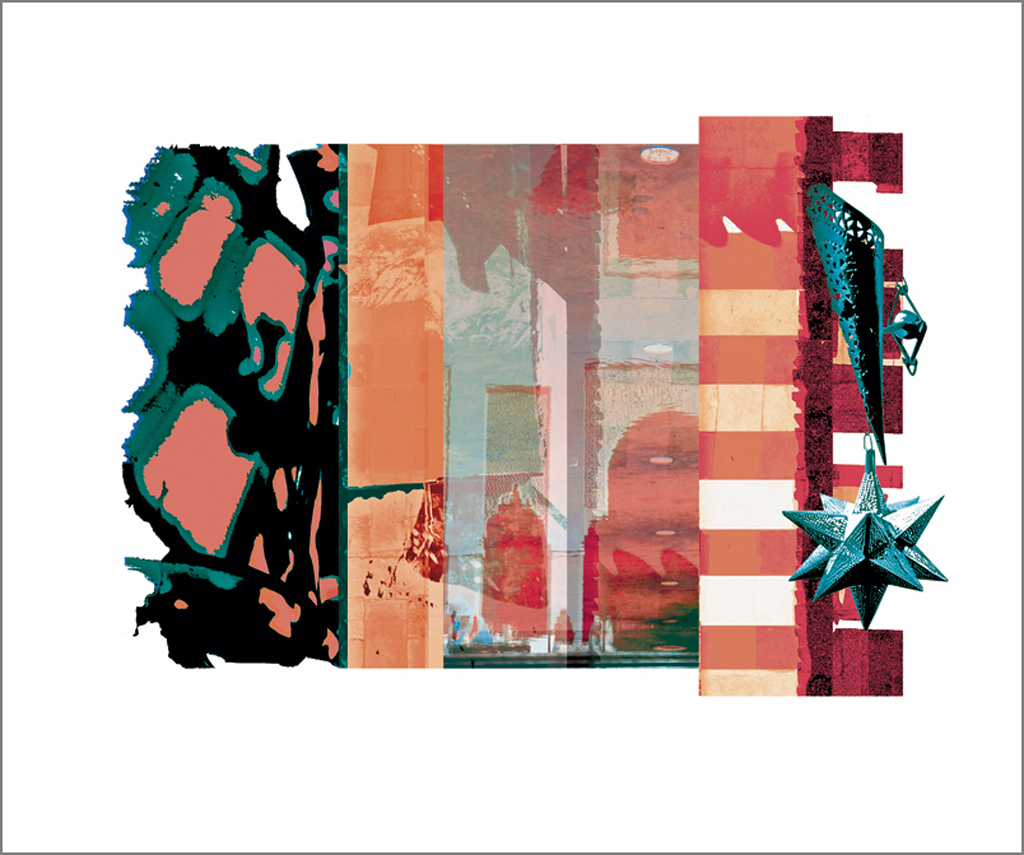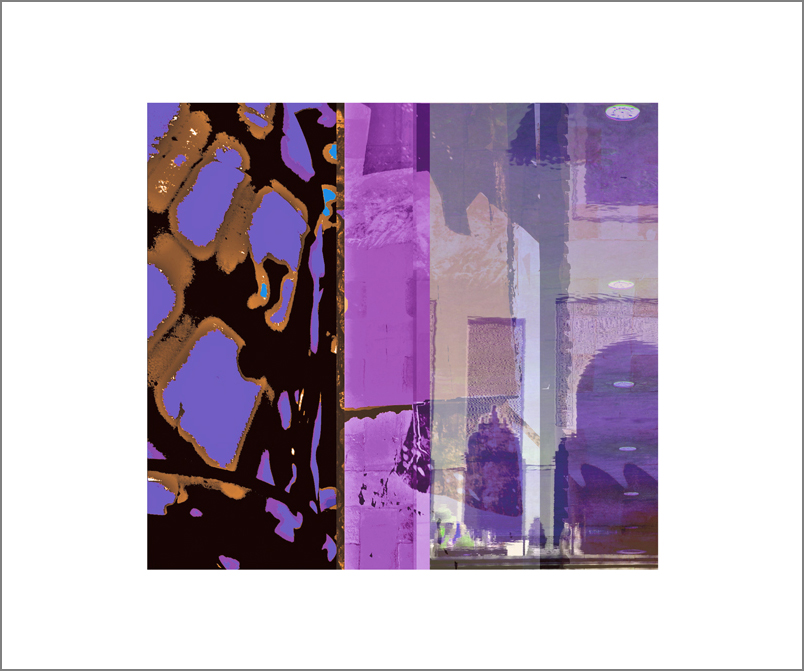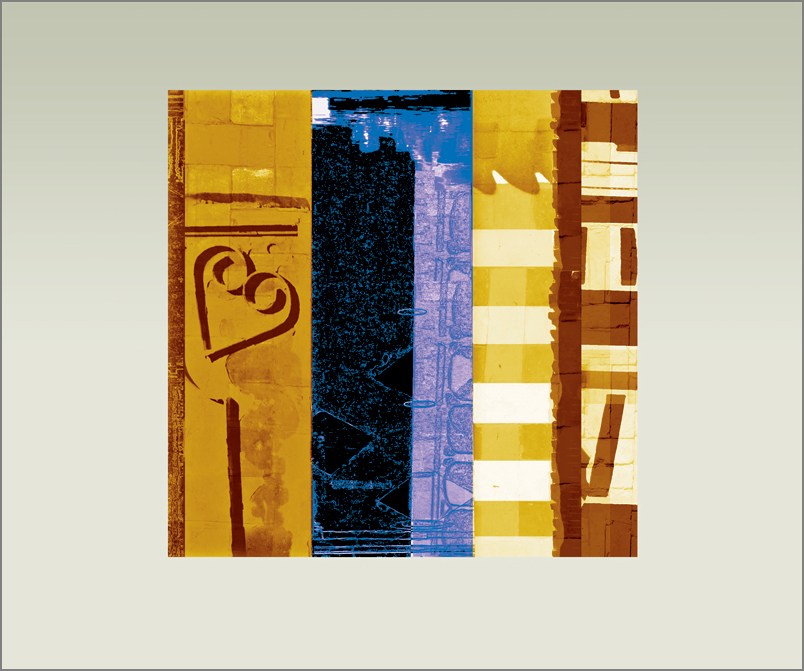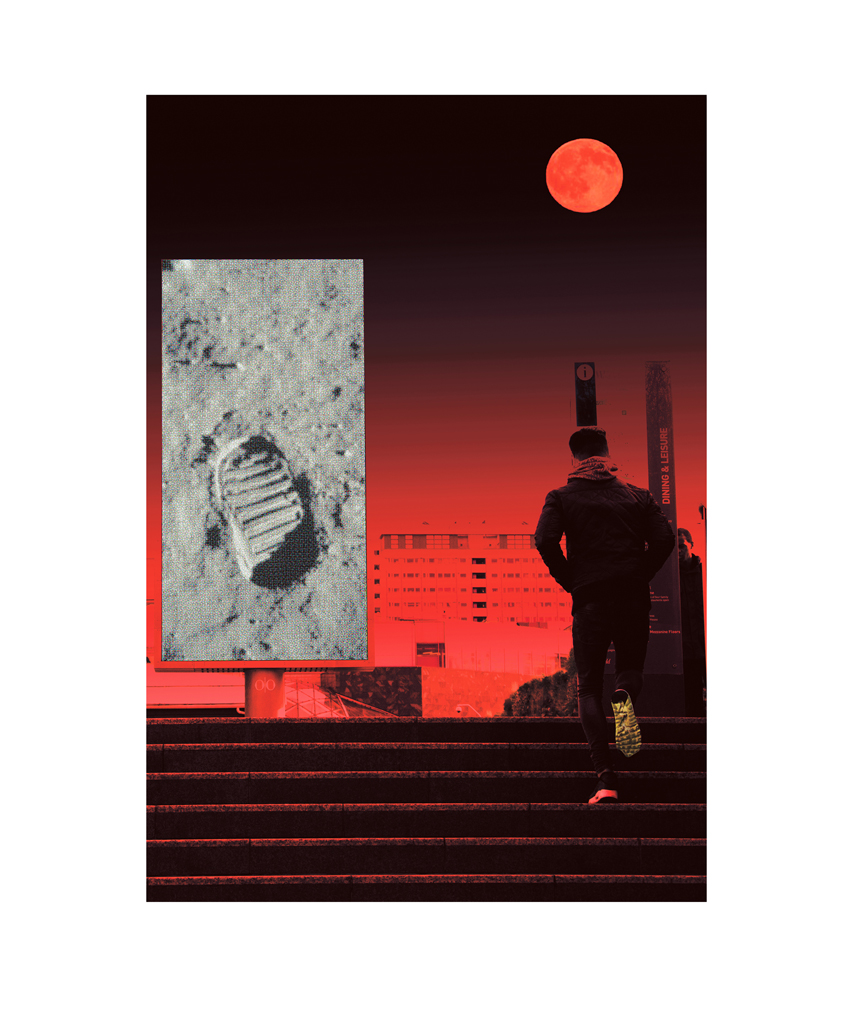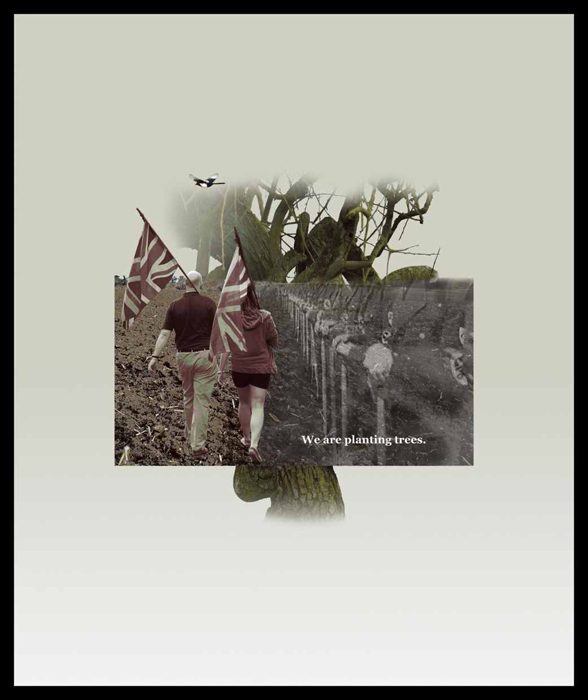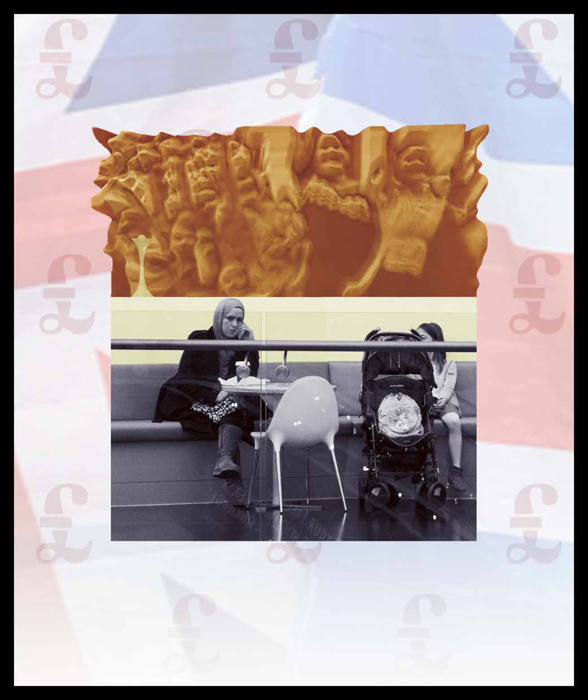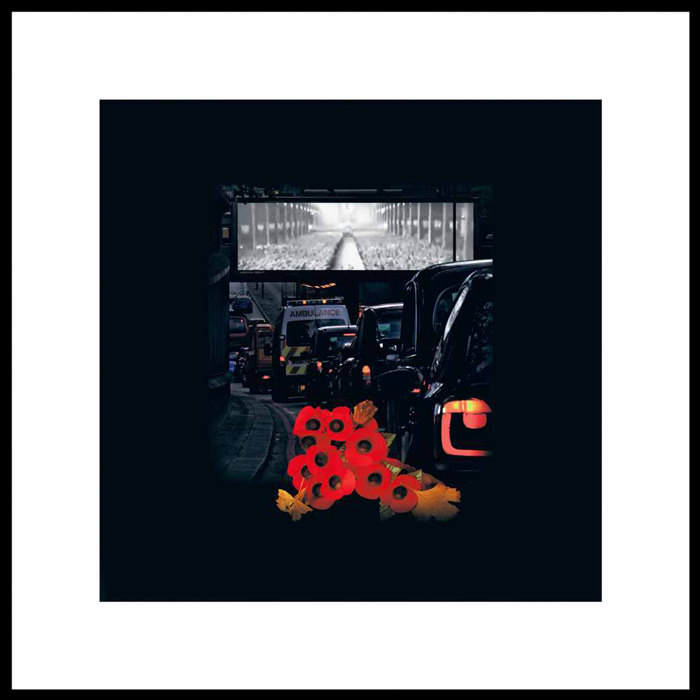
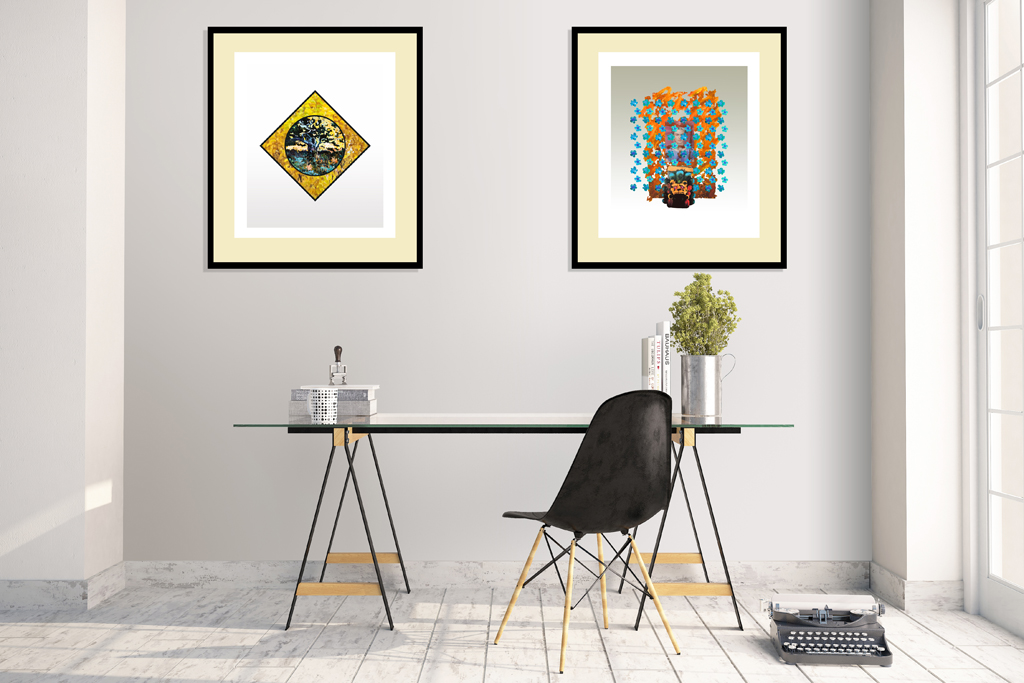
Since 2017, I have made a number of fine art digital prints, and so I thought I would provide examples and further information about this strand of my work.
I made my first fine art prints more than forty years ago when I attended art school — you can read this essay Camberwell Art School for more information.
When I left Camberwell I concentrated my efforts on painting and drawing as well as making collages. However I often incorporated printing techniques into my work. This usually took the form of mono-printing, but I also experimented with transfer prints, combining newspaper photos and typography with painted images. Yet I was unable to successfully master this technique, and it was not until many years later that I finally made progress. That was in 2013, when the nature of my work changed again, this time returning to figuration.
I began by making digital images, manipulating my own photographs with Photoshop and then transfer-printing these onto primed MDF (Medium Density Fibreboard), as well as paper, before applying paint. I should add that during this process of painting I always took photos of the work, and I often used these photos to develop more digital images. I no longer do this, choosing to paint and draw using a digital pen.
Ultimately the process comes down to painting with pixels, those small elements of light and colour forming a grid on a computer screen. This often means working at a magnification that allows editing at an individual pixel level. Prints will subsequently be proofed and then re-edited.
My prints are either produced as Giclée or C-Type photographic, and you can see a selection below.
Occasionally, due to health reasons, digital art has provided the sole means of creating images. Nevertheless, I enjoy the immediacy of digital print-making, together with the ability to quickly make radical changes.
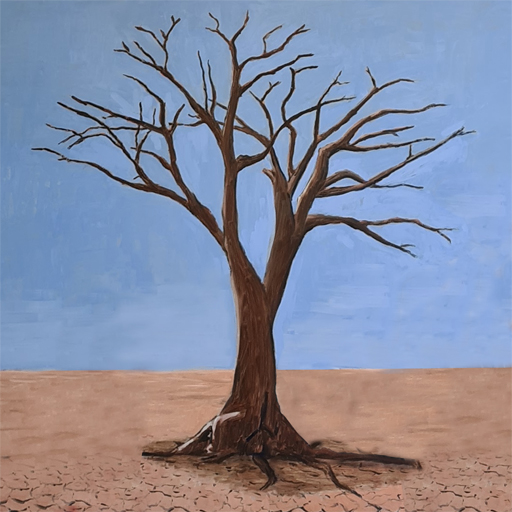
My most recent prints, made in 2024., follow on from a series of paintings titled A Broken Land. In those pictures, two figures inhabit a desert. But with these prints I have moved my ‘protagonists’ to a more comfortable environment where they can enjoy their wealth at leisure.